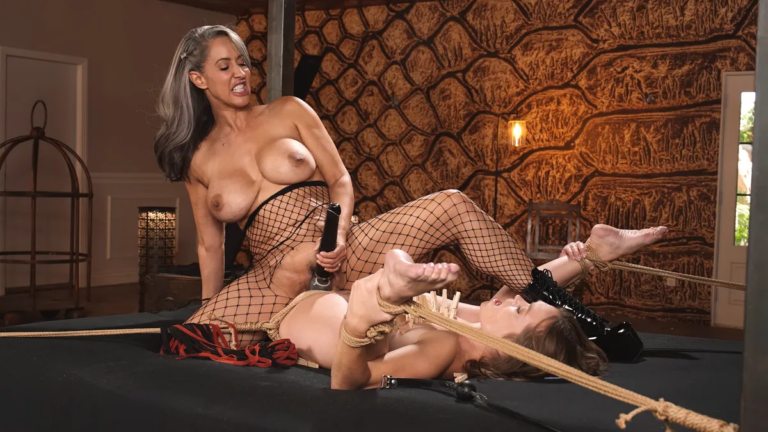
Definition
BDSM is a broad constellation of practices and relationship dynamics built around power exchange, sensation, ritual and role‑play. For many people it’s about trust, clear communication and carefully negotiated limits; for others it’s an aesthetic or a way to explore boundaries. This page offers a respectful, non‑judgmental overview to help you learn, find thoughtful communities and discover films that portray these themes with nuance.
What BDSM looks like
BDSM can include dominance and submission, bondage, sensory play, and consensual impact play. The defining thread is explicit consent: conversations about desires and limits, agreed safewords or signals, and attention to emotional and physical safety. Scenes can be playful, erotic, therapeutic, aesthetic or intensely emotional the only necessary ingredient is mutual agreement.
A short safety primer
Consent always comes first. Negotiation should happen before a scene, with clear discussion of boundaries and safewords. Education matters: reliable resources, workshops and mentors help reduce risk. Practical safety tools like safety scissors for bondage, knowledge of circulation and nerve issues, and basic first‑aid awareness are essential. Aftercare the time spent reconnecting and comforting each other after a scene is part of the practice, not an optional extra. Respect privacy, legal limits and the well‑being of all participants.
Communities and networks
Communities that centre consent and education tend to be the healthiest places to learn: local meetups, moderated online groups, studios that publish clear codes of conduct, and educational platforms run by experienced practitioners. Listings for studios and channels often include badges for verification, access type (free, subscription, paywalled) and language or region, so you can quickly see whether a platform matches your needs. Look for communities that make consent, transparency and harm‑reduction explicit in their guidelines.
Tone and intent
This is written from a place of curiosity, care and respect. BDSM is easy to sensationalise; the goal here is practical clarity rather than titillation. If you are new, take your time. Learning, asking sensible questions, and prioritising safety are the real measures of competence.
Film featuring BDSM
These films approach BDSM and power dynamics in very different ways — some with intimacy and care, others with controversy. Consider each film’s tone and potential triggers before watching.
- Secretary (2002) – A stylised, dark‑romantic story about a negotiated dominant/submissive relationship and the emotional work that surrounds it.
- The Duke of Burgundy (2014) – An intimate arthouse portrait of rituals, roles and the maintenance of desire within a committed relationship.
- Fifty Shades of Grey (2015) – A mainstream romantic drama that introduced BDSM themes to a wide audience; its portrayal and negotiation of consent drew mixed responses.
- The Story of O (Histoire d’O) (1975) – A provocative and classic adaptation that explores extreme submission and its psychological consequences.
- Maîtresse (1975) – A French film mixing drama and dark comedy about a man drawn into the world of a professional dominatrix.
- The Night Porter (1974) – A highly controversial psychological drama that includes sadomasochistic elements against a fraught historical backdrop (trigger warning).
- 9½ Weeks (1986) – An erotic drama about an intense and sometimes risky power relationship between two characters.
- Venus in Fur (2013) – A theatrical, cerebral work that plays with power, performance and sexual politics.
- Crash (1996) – Not traditional BDSM, but an exploration of unusual sexual fixations and physical risk; confronting and provocative.
- Bound (1996) – A tight crime‑thriller with queer romance that examines control and partnership in high‑stakes situations.
Beginner BDSM ideas that are easy and genuinely hot
You don’t need a complicated scene. Try one simple idea at a time and see what clicks.
- “Lead and follow” with voice
One partner takes the lead using calm, confident instructions. Keep it natural and grounded. The power comes from clarity, not shouting. This can be surprisingly intense without doing anything extreme. - A blindfold + slow teasing
A blindfold changes everything because it amplifies touch and makes anticipation stronger. Even simple gestures feel more intense when one sense is removed. It’s also a great way to build suspense and keep things playful. - Hands restrained (no gear needed)
You can lightly hold wrists or guide hands into a position that feels “controlled.” It’s simple, intimate, and very beginner-friendly. The point is the feeling of being directed not forcing anything. - “Permission” as a turn-on
Permission play is one of the easiest ways to explore BDSM energy. Small moments like “Wait” or “Ask first” can create a strong power dynamic fast. It’s subtle, but it changes the whole mood. - Praise and confidence
Not all BDSM is strict. Praise can be a powerful dynamic on its own. If you like a softer tone, try leaning into approval, encouragement, and “good” energy. It builds intensity while still feeling warm.
BDSM Kink FAQ
Is BDSM only for experienced people?
No. Most people start with simple power play and build comfort over time.
Do I need toys or gear?
Not at all. Voice, pace, and confidence are usually more important than equipment.
Does BDSM have to involve pain?
No. A lot of BDSM is about control, teasing, anticipation, and intensity without pain.
Conclusion
BDSM can be rich, rewarding and deeply human when practised with respect and care. Consent, communication and education transform risky experiments into meaningful exploration. Be kind to yourself, move at your own pace and choose communities that treat safety as a priority.