Chastity (or the chastity kink) is a practice where arousal comes from delaying access to pleasure, sometimes with a chastity device (cage, belt, lock) and sometimes through a consensual control dynamic with a partner. For some people, it’s primarily a mental game. For others, it’s a way to experience desire more slowly and more intensely, with more ritual, chosen frustration, and shared complicity.
Chastity can be sexual, relational, emotional, or simply playful. It is not necessarily “hard” or humiliating. It can be soft, romantic, teasing, or very strict depending on what each person wants and what boundaries are agreed on.
What “chastity” can mean
The word “chastity” covers different experiences that don’t always look the same:
Solo chastity: setting a period of self control, often to intensify desire, explore discipline, or enjoy anticipation.
Couples chastity: pleasure becomes a shared playground, with rules and a pace decided together.
Chastity in a D/s dynamic: one person acts as a “keyholder” (the one who holds the key) and the other consensually accepts a framework of control.
Chastity as an accessory: sometimes the device is mainly symbolic, a visual fetish, or part of a roleplay scenario.
What links these variations is the idea that access to pleasure is not immediate, and that the waiting becomes the core of the arousal.
Why some people enjoy chastity
Motivations are personal, and often more human than outsiders assume:
Anticipation and rising desire: waiting can make every sensation feel stronger.
Consensual control play: giving, receiving, or sharing power.
Ritual and symbolism: wearing a device can create a sense of commitment and “rules of the game”.
Teasing, frustration, and reward: tension becomes the engine.
Focus on other types of intimacy: sensuality, connection, attention, service, or communication.
For many people, chastity is not a “no”. It’s a “not yet”, chosen and exciting.
Key elements of the chastity kink
Even when styles differ, these themes often show up:
- Control of access
Pleasure is not delayed to “punish”. It’s postponed or conditioned according to agreed rules. - Rules of the game
Duration, permissions, boundaries, exceptions, off moments. The clearer it is, the more exciting and safer it tends to be. - The dynamic (if there is one)
Some people love a keyholder relationship, others prefer shared control, or no external control at all. - The mental side
Chastity is often a highly psychological kink. Desire is fueled by imagination, scenarios, messages, teasing, authority, or tenderness.
Chastity devices: a simple overview
There are different types of devices depending on bodies and preferences:
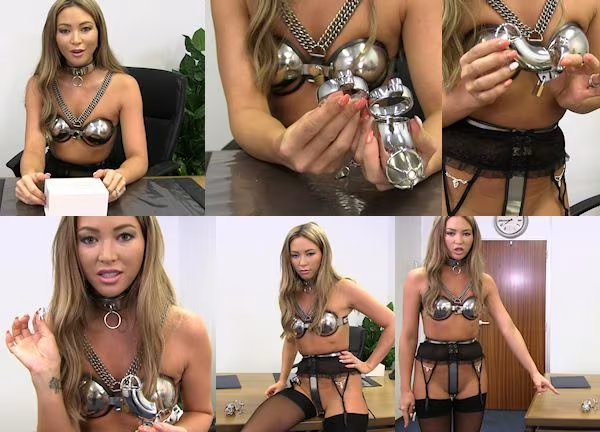
Cages / external devices: often designed to limit erections and provide a constant reminder of restraint.
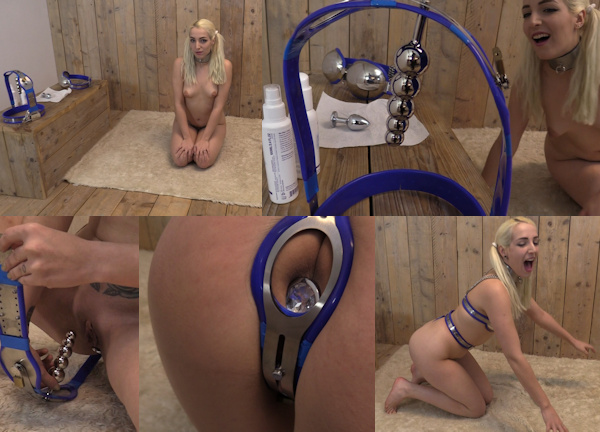
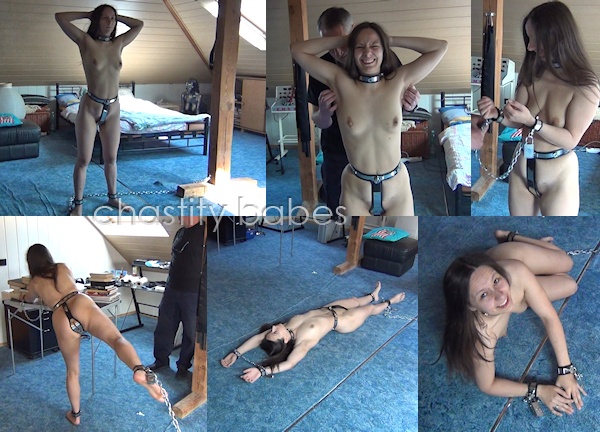
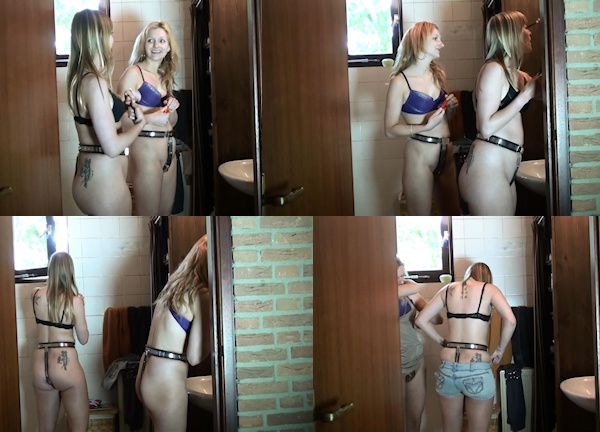
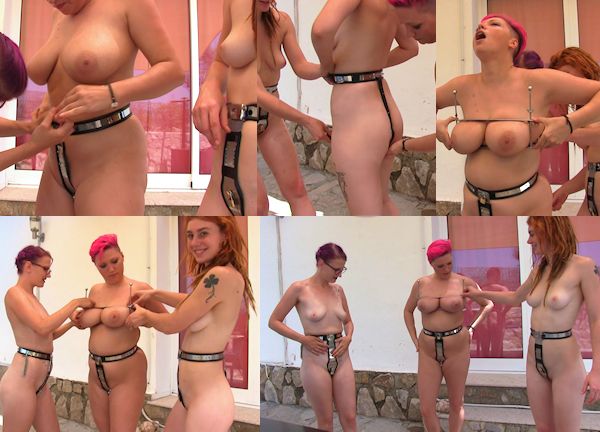
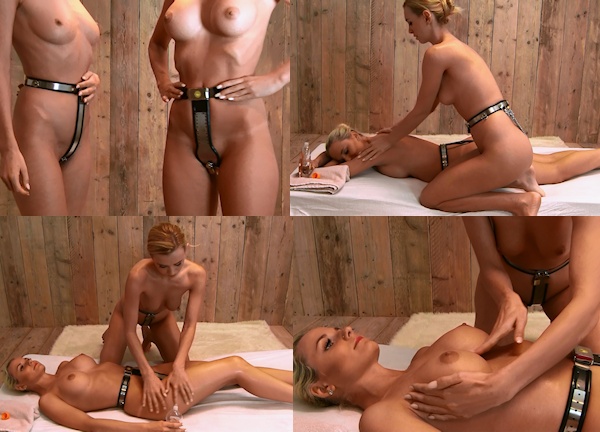
Chastity belts: more coverage, sometimes more symbolic, sometimes more “locked down”.
Locks and accessories: padlocks, keys, tamper seals, comfort pieces.
Materials vary (metal, plastic, silicone). The right choice often depends on comfort, hygiene, discretion, and how long the device is meant to be worn.
Consent, communication, and boundaries
Chastity works best when it’s built on explicit agreements:
Clear, reversible consent: “stop” needs to be real, not theoretical.
Limits and health: pain, numbness, irritation, stress, sleep, work, sports, all of it matters.
Privacy: this kink can be very intimate, and discretion is part of respect.
Aftercare: even a “mental” kink can bring up strong emotions (frustration, shame, pride, attachment). Taking care of the bond matters.
Safety and comfort
Chastity can be fun and intense, but it is not “zero maintenance”.
Comfort and circulation: if it hurts, goes numb, or skin color changes, that is not sexy, it is a warning sign.
Hygiene: long wear requires a practical, consistent cleaning routine.
Emergency removal: there should always be a realistic way to remove the device if needed.
Go gradually: many people start with short sessions before increasing time.
This kink gets better when it feels like a careful choice, not an endurance test.
Common fantasies and scenarios
Not universal, but frequently seen themes:
Tease and denial: extended arousal, “almost”, then pause.
Orgasms with conditions: permission, timing, rules, rewards.
Strict or playful keyholder: firm authority or cooperative teasing.
Romantic chastity: promises, fidelity, rituals, soft tension.
Chastity as service: attention centered on a partner, consensual discipline.
The important thing is that the scenario stays aligned with what everyone finds exciting and acceptable.
Chastity Fetish FAQ
Is chastity always BDSM?
It often overlaps with BDSM, but it does not have to. Some people practice chastity without domination, purely as anticipation play.
Does it have to be humiliating?
No. Humiliation can exist as a consensual fantasy, but many chastity dynamics are tender, playful, or romantic.
Can you practice without a device?
Yes. Chastity can be a rule, a promise, or a permission based game with no device at all.
Why is the “keyholder” so popular?
Because it symbolizes consensual control. Even when the key is symbolic, it strengthens roleplay and tension.
How do you keep it healthy in a relationship?
Talk openly. Desires, boundaries, jealousy, frustration, expectations, pacing. Chastity amplifies everything, so communication matters even more.
Conclusion
Chastity can look “simple” from the outside, but it often touches deeper themes: control, surrender, longing, patience, trust, and the value we place on pleasure. When it is consensual, clear, and well lived, it can be an intensely intimate and surprisingly human playground.
Photo by fancysteel